WW Snippets test
Italy takes the lead in the number of visa-free accessible destinations
The U.S. passport secures the seventh position, opening doors to 188 countries
Top-ranking countries enable access to 166 more destinations than Afghanistan
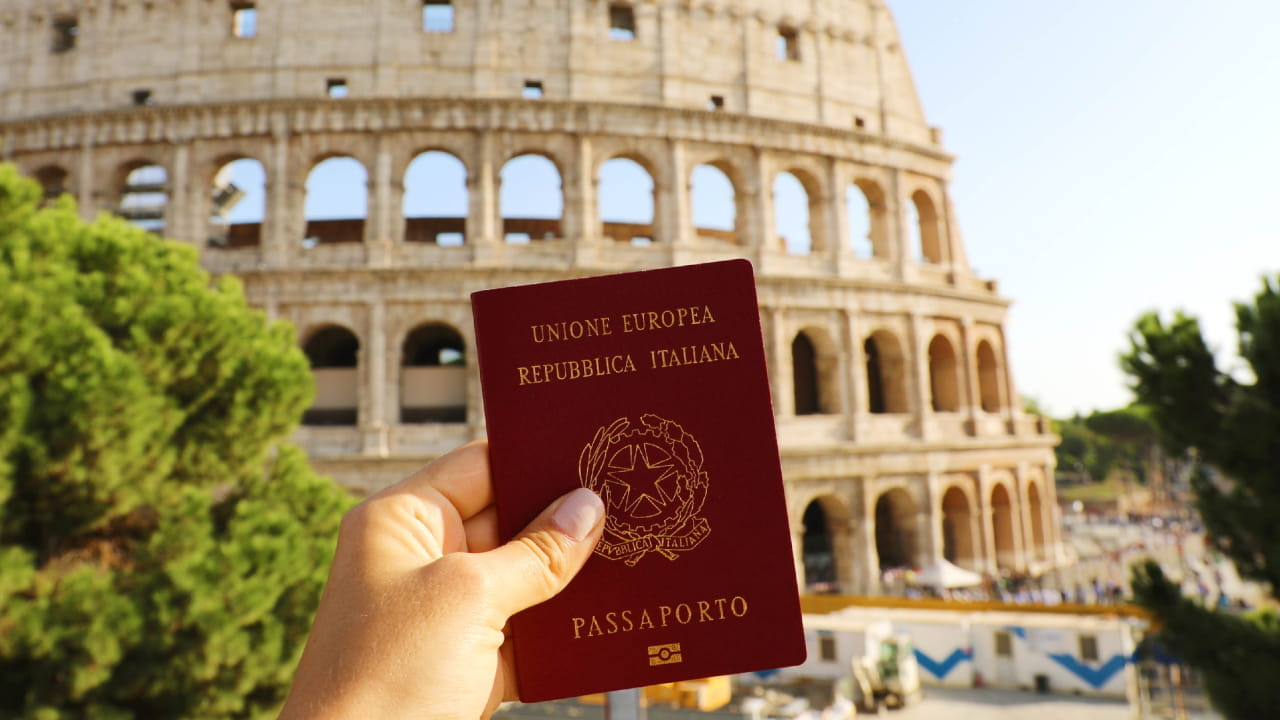
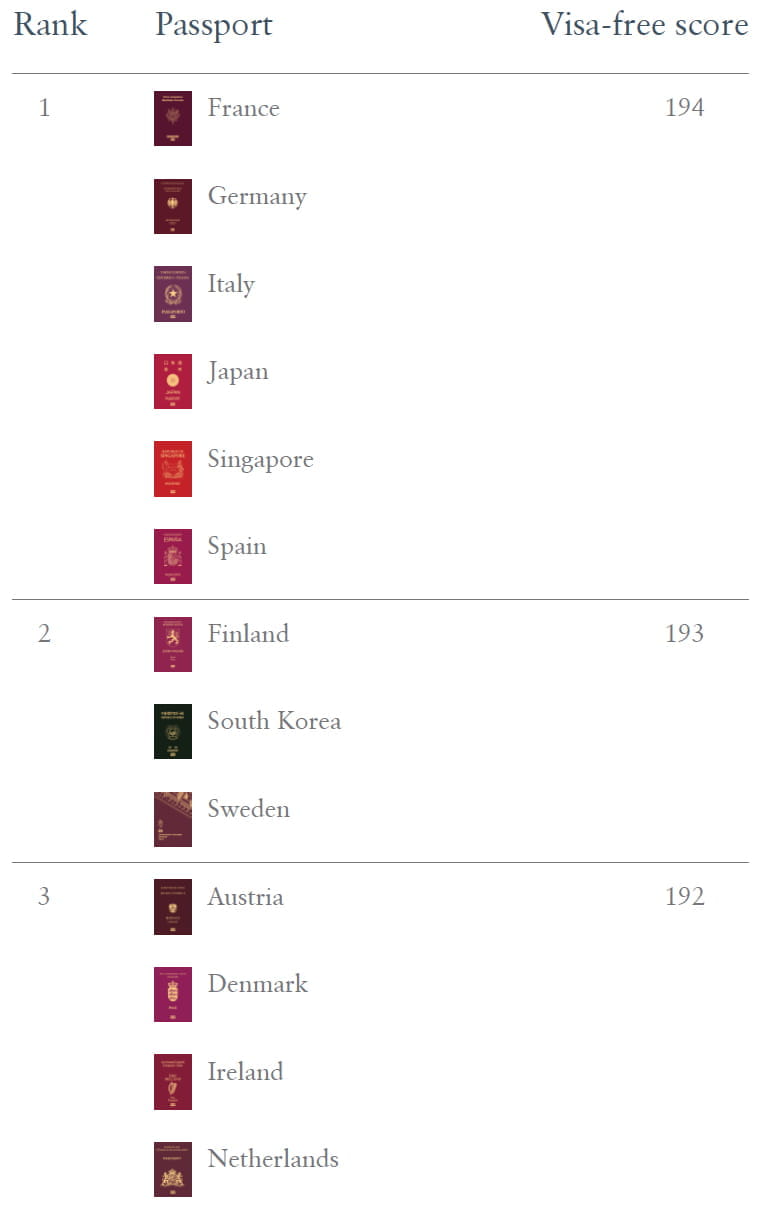
Did you know that the Italian passport is one of the most “powerful” in the world? Setting aside the long wait times for appointments at the police station for issuance or renewal – up to 10 months in Venice, almost eight in Bolzano, and seven in Cagliari according to a recent Altroconsumo analysis – Italy ranks first in the number of destinations citizens can visit without a visa (194 countries), along with Germany, Spain, France, Singapore, and Japan.
The second position on the Henley & Partners ranking is occupied by Finland, South Korea, and Sweden, allowing passport holders access to 193 travel destinations. Four other EU states (Austria, Denmark, Ireland, and the Netherlands) share the third position with 192 destinations. The rest of the top 10 is largely dominated by European nations, with the UK rising two positions from the previous year to claim the fourth spot, granting its citizens visa-free access to 191 destinations compared to the previous 188. The U.S. passport secures the seventh position, paving the way for 188 countries without the need for a pre-requested visa.
Afghanistan Ranks Lowest
Closing the ranking with the fewest visa-free accessible destinations are Iraq, Syria, and Afghanistan,allowing visits to 31, 29, and 28 countries, respectively. According to Christian H. Kaelin, president of Henley & Partners, despite the general trend in the ranking’s history toward increased travel freedom, the gap between the top and bottom remains wider than ever. “The average number of destinations travelers can access without a visa has almost doubled, from 58 in 2006 to 111 in 2024,” says Kaelin. “However, as the new year begins, the countries at the top of the ranking can now reach a whopping 166 destinations more than Afghanistan, which allows access to only 28 countries without a visa.”
The case of the United Arab Emirates
Analyzing the biggest (and smallest) climbers in the ranking, the United Arab Emirates has dominated over the past decade, adding 106 destinations to the overall package since 2014, jumping from the 55th to the 11th position. Ukraine and China also make it into the top 5 countries that have significantly improved their ranking in the last 10 years, reaching the 32nd position with 148 accessible travel destinations and the 62nd position with 85 destinations, respectively. The situation is different for Russia: despite adding 24 destinations to the list in the last decade, its score and ranking have undergone a slight adjustment since 2017, allowing it to now occupy the 51st position with 191 destinations.
Investment Migration Programs
Henley & Partners also observed a strong correlation between the “strength” of passports and the availability of investment migration programs. For instance, almost 60% of G7 countries, representing 30% of the global GDP and boasting an average passport power score of 82% (Hpp or Henley passport power), offer some form of citizenship or residence through investment. Similarly, almost all 27 EU member states (with an average Hpp score of 74%) offer residence in exchange for some form of investment, as do most of the 19 G20 states (with an average Hpp score of 54%). According to Juerg Steffen, CEO of Henley & Partners, both visa openness and investment migration programs are significant tools that governments can use to enhance the power of their passports and, consequently, the economic growth of their countries. “Investment migration is a true win-win, long-term, and sustainable solution for all stakeholders, whether they be investors, citizens, or the nations themselves,” concludes Steffen.